
The Apprentice Project: AI-Powered 21st Century Skills At Scale
Building Critical Thinking, Creativity, and Decision-Making at Scale through AI


Watch the story in 60 seconds (AI-generated video; visuals are illustrative)
Impact
Case at a Glance
- 100,000 children enrolled, 3000+ Trained Teachers.
- Week-on-week skill mastery achieved across domains: Coding (54%), Science (59%), Financial Literacy (65%)
- Measurable improvements from baseline to endline: Creativity (42.6%), Problem-solving (50.8%), Decision-making (43.5%)
India’s public education system serves over 250 million children, yet 21st-century skills critical for a digital economy remain largely untaught and unmeasured. Overcrowded classrooms, exam-driven pedagogy, limited teacher training, and one-size-fits-all instruction restrict opportunities for personalised learning. As a result, skills such as creativity, problem-solving, and decision-making are neither systematically developed nor assessed at scale.
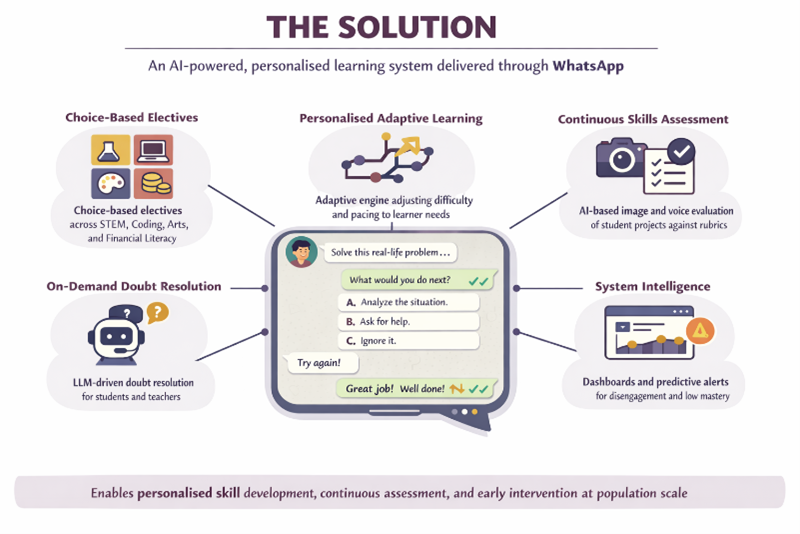
TAP developed TAP Buddy, an AI-powered WhatsApp learning platform that delivers personalised, adaptive skill development directly to students. Using multimodal AI, rubric-based evaluation, and real-time feedback, the solution enables continuous measurement and learning while strengthening teacher capacity through dashboards, guidance, and system-level insights.
Despite policy emphasis under NEP 2020, India’s public schools lack scalable mechanisms to teach and assess 21st-century skills.
Key challenges included:
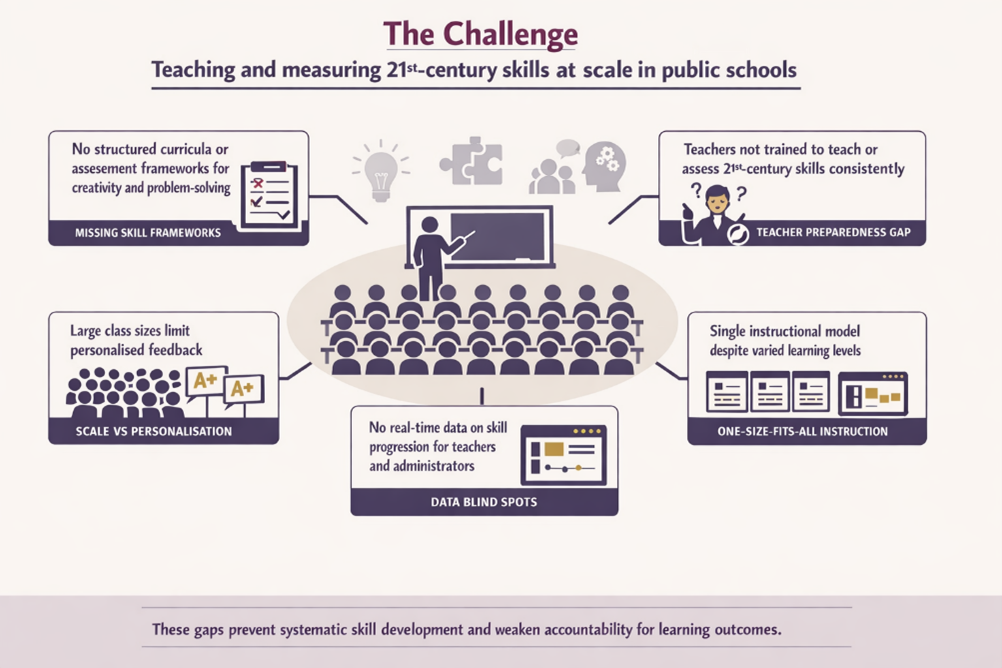
These constraints prevented systematic skill development and limited accountability for outcomes.
TAP Buddy was designed as a low-cost, scalable AI learning platform embedded into students’ daily digital habits. The system combines conversational AI, computer vision, and predictive analytics to deliver adaptive learning and continuous assessment.
Key features of the solution include:
- Choice-based electives across STEM, Coding, Visual Arts, and Financial Literacy
- Personalised Adaptive Learning engine adjusting difficulty and pacing
- AI-based image and voice evaluation of student projects against rubrics
- LLM-driven doubt resolution for students and teachers
- Interactive micro-learning videos with in-video checks
- Behavioural nudges to improve engagement and retention
- Dashboards for teachers, schools, and governments
- Predictive alerts for disengagement and low mastery
Technology Stack
| Tools/ Techniques | Used For | What It Enabled | Category |
|---|---|---|---|
| Conversational engine for student and teacher interaction with LLM integration | Real-time doubt resolution and feedback | Commercial | |
| RAG Pipelines | Content retrieval | Contextual, curriculum-aligned responses | Custom-built |
| Computer Vision (OpenCV + ResNet-50) | Project evaluation | Image-based rubric assessment and plagiarism checks | Open Source |
| FAISS | Similarity search | Submission matching and originality detection | Open Source |
| Neo4j + LlamaIndex | Curriculum mapping | Linking submissions to rubrics and learning paths | Open Source |
| Predictive Analytics Engine | Engagement tracking | Early warning for disengagement and low mastery | Custom-built |
| Behavioural Nudge System | Learner engagement | Retention through reminders and incentives | Custom-built |
| Bhashini | Multilingual delivery | Indic-language learning and feedback | Open Source |
Key Project Learnings
Adaptive learning paths allowed diverse learners to progress at their own pace, leading to measurable skill gains.
AI-based evaluation of projects and explanations enabled continuous measurement of complex skills at scale.
A WhatsApp-first, reusable-content model kept per-child costs low, supporting long-term government adoption.
Potential for Wider Adoption
| Sector | Adaptability of the Solution |
| State Education Systems | Can embed 21st-century skills into public school curricula at scale |
| CSR and NGO Programs | Adaptable for co-curricular and skills initiatives |
| Teacher Professional Development | Can support teachers in understanding and assessing skills |
See it in Action
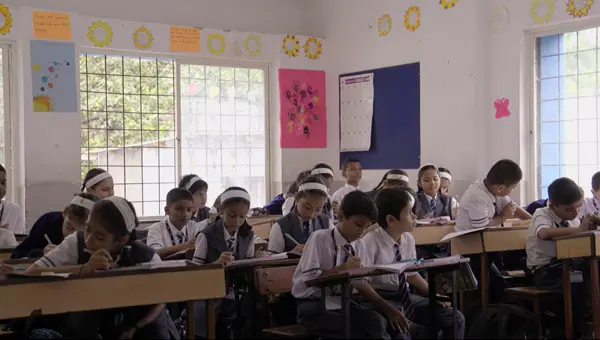
TAPBuddy is a WhatsApp-based AI companion delivering personalized, project-based 21st-century skills learning through videos, voice, and multilingual interaction for students at scale.
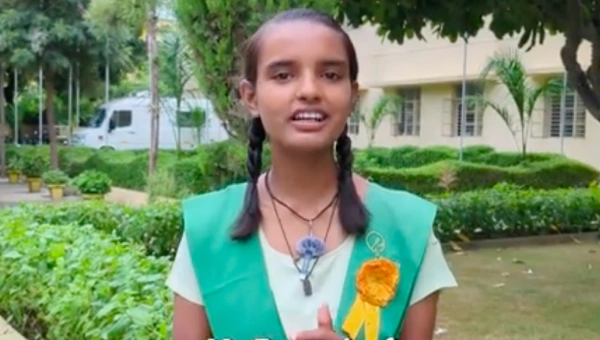
A student shares how TAPBuddy inspired her newfound passion for science and research
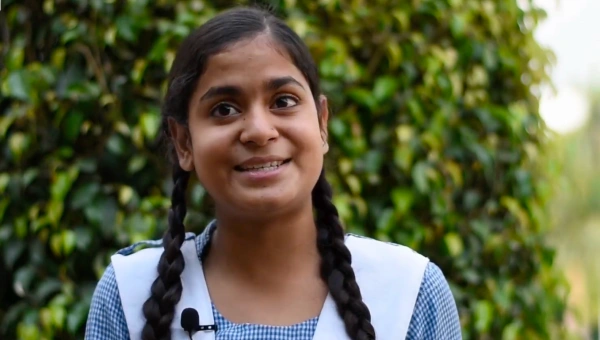
At The Apprentice Project (TAP), we're revolutionizing education by empowering under-served students with essential 21st-century skills.